Polishing Dress Leather
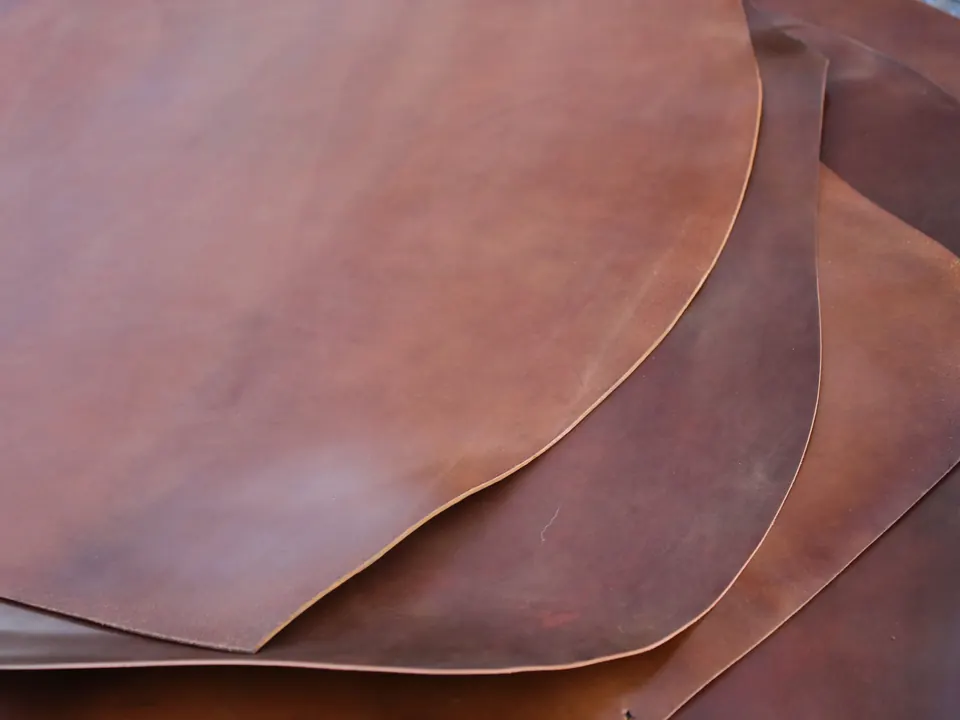
Oxfords, derbies, loafers, leather heels and flats. Dress leather is looked after differently from an everyday trainer: a brush after every wear, trees in, and every so often a clean, a coat of cream polish to feed the leather and bring the color back, then wax only where you want a shine. Cream feeds; wax protects and shines. Heels, soles and welts are a cobbler's job when they wear down.
Overview
How often
Brush after every wear. Clean and cream roughly every 25 wears or once a month of regular wear, sooner after rain; re-wax the toe and heel when the shine fades. Check heel tips and top-lifts every few weeks of wear.
Materials covered
Calfskin (dress / box calf), Shell cordovan, Polished binder (corrected grain)
What you'll need
- Angelus Premium Horsehair Shoe BrushHorsehair brush for brushing after wear and buffing
- Saphir Crème Surfine (Shoe Cream)Cream polish: feeds the leather and restores colour
- Horsehair Polish DauberApplies cream polish thinly
- Microfiber Cleaning Cloths (multi-pack)Soft cloth for cleaning and buffing
- Fiebing's Edge Kote (Sole Edge Dressing)Sole edge and welt dressing
Picked for the material, not paid for. Test anything new on a hidden spot first.
Step by step
Step 1: Prep
Laces out and shoe trees in, so the leather is taut while you work. Heels and flats that won't take a tree: stuff them firmly with tissue.
Step 2: Brush off the dust
Horsehair brush in quick strokes over the whole upper and into the welt. Done after every wear, it's most of the care a dress pair needs.
Step 3: Clean
Saphir Renovateur on a cotton cloth, small circles: it lifts light dirt and conditions. Heavy wax build-up needs a dedicated cleaner (Saphir Reno'Mat), used sparingly: it's a solvent and strips the finish. Wipe off with a clean cloth and let it dry.
Skip for Shell cordovan, Polished binder (corrected grain)Step 4: Coated finish: wipe
Polished binder is coated: a barely damp cloth with a drop of mild soap is the whole clean. It doesn't take conditioner or cream, which sit on top as a smear.
Only for Polished binder (corrected grain)Step 5: Cordovan: wipe and cream
A dry horsehair brush first. A barely damp cloth only for real dirt, then brush hard once dry. A very little cordovan cream, worked in with a cloth or dauber, a few times a year at most: cordovan wants brushing far more than product.
Only for Shell cordovanStep 6: Cream polish
A pea-sized amount of cream polish (Saphir Crème Surfine) in the leather's color, or neutral, worked in thin with a dauber or cloth. It feeds the leather and fills scuffs and faded color. Let it sit 10 minutes.
Skip for Shell cordovan, Polished binder (corrected grain)Step 7: Buff
Horsehair brush in short, fast strokes, then a soft cotton cloth. The shine comes from the brushing, not from more product.
Step 8: Wax for shine (optional)
Wax polish (Saphir Pâte de Luxe, Kiwi Parade Gloss) on the toe cap and heel counter only, never where the shoe flexes: wax cracks in creases. For a mirror shine, build very thin layers with a drop of water on the cloth, letting each one haze before the next.
Skip for Nappa / soft leather, Tumbled leather, Shell cordovanStep 9: Edges and soles
Edge dressing (Fiebing's Edge Kote) on scuffed sole edges and welts, with a steady hand so it stays off the upper. Leather soles: let them dry fully between wears, away from heat; wet leather soles wear through fast.
Step 10: Heels and resoles
Check heel top-lifts, and the tips on heels, every few weeks. Have a cobbler replace them before the heel block or the metal pin shows: a bare pin chews the heel and floors. A Goodyear-welted pair can be resoled many times; a cemented one often can't. Both are cobbler jobs.
What to avoid
- Wax polish over the flex creases — it cracks and flakes there
- Heat to dry, and leather soles on a radiator — they curl and crack
- Thick coats of cream or conditioner — thin coats, buffed off
- All-purpose shoe cleaners, stiff brushes or melamine sponges on fine calf
- Wearing heels past their tips or top-lifts — once the heel block or pin shows, the repair costs more
Watch for
- Dry cracking. Cream every 25 wears or so, thin coats. A crack that's through the grain is a cobbler's job.
By material
The routine above, adjusted for each material it covers.
Calfskin (dress / box calf)
The full routine. Box and French calf take cream and wax well and reward brushing; keep wax to the toe and heel.
Shell cordovan
Brush, don't feed. Shell cordovan isn't conditioned like calf: a damp wipe, a little cordovan cream a few times a year, and long brushing. Water raises spots that brushing flattens once dry.
Polished binder (corrected grain)
Coated, so it cleans with a damp wipe and shines with a little wax. Creases crack the coating rather than soften; trees slow it.
Full-grain leather
The full routine, as for calf.
Nappa / soft leather
Soft and thin: cream, no wax shine, gentle hands.
Tumbled leather
Pebbled grain doesn't take a mirror shine. Brush and cream; skip the wax.
Between wears
- Shape. Unvarnished cedar shoe trees in after every wear: they draw out moisture and pull the creases flat. Tissue for heels and flats that won't take a tree.
- Rest. A day off between wears lets the leather and the lining dry out. Leather soles need it most.
- Wet. Rained on: trees in, dry at room temperature for a day, away from heat, then cream once dry.
- Containers. Cotton dust bags, not plastic: leather needs to breathe, and plastic traps damp.
Related guides
-
Cleaning & Conditioning Leather
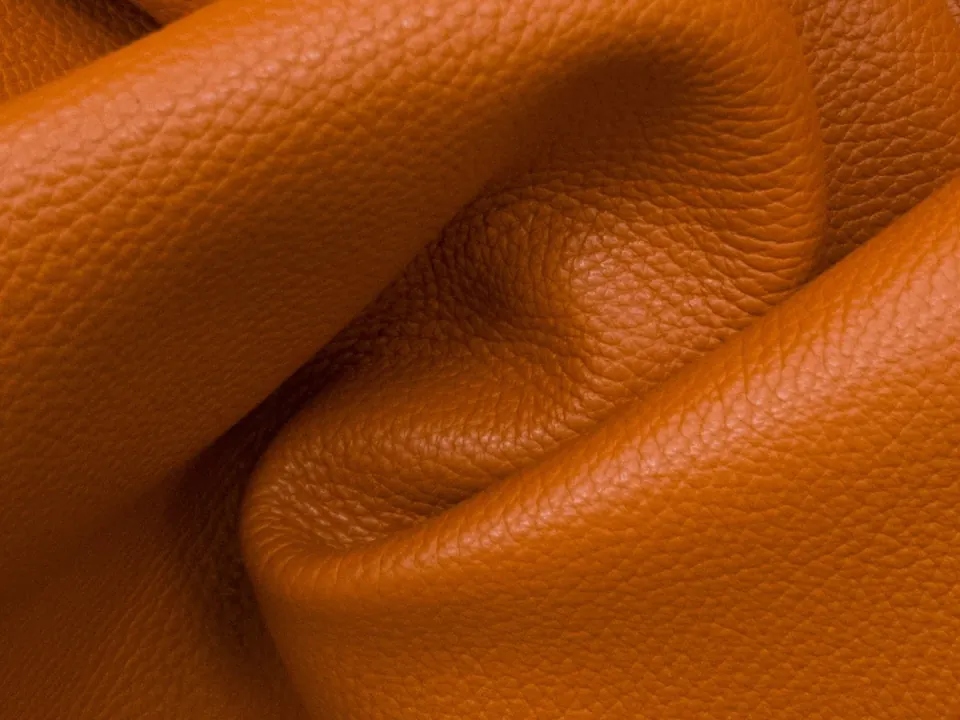
Most of your Jordans, Dunks, Air Maxes, Sambas, and Stan Smiths land here. Modern leather uppers are forgiving — what wrecks them is dirt sitting in crease lines and leather drying out from neglect. A clean every 25 wears or so, plus a light condition when it feels dry, keeps the grain alive.
-
Patent Leather Maintenance
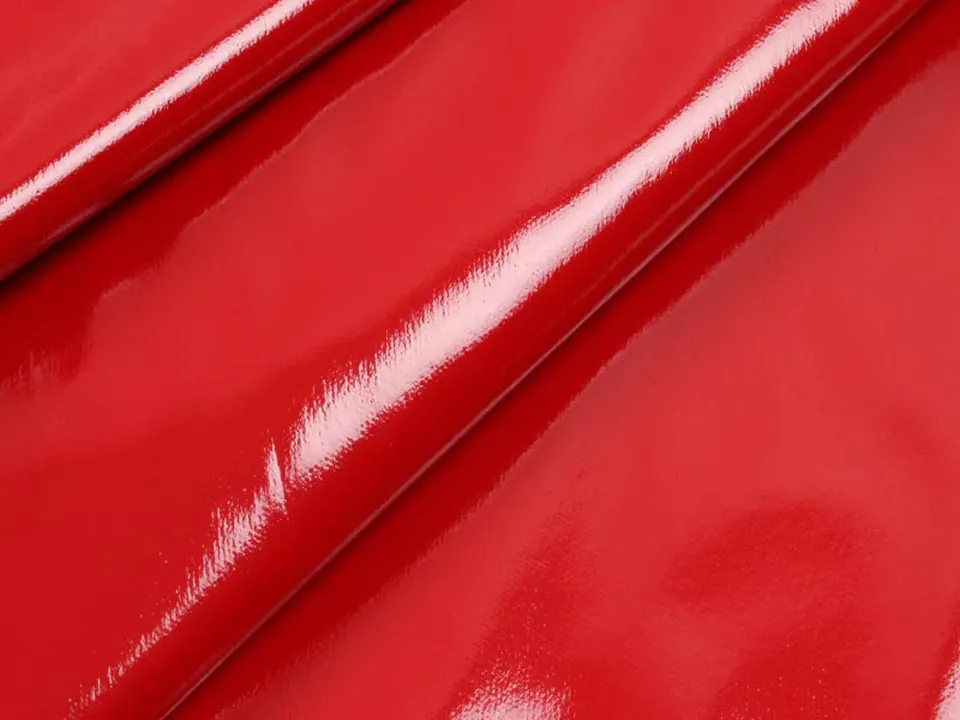
That mirror finish on AJ11 mudguards and certain AF1 releases is a lacquer coating over the leather. It resists water and most stains, but every scuff shows. Clean gently and keep anything abrasive away — once patent crazes, there's no bringing it back.
-
Caring for Exotic Skins
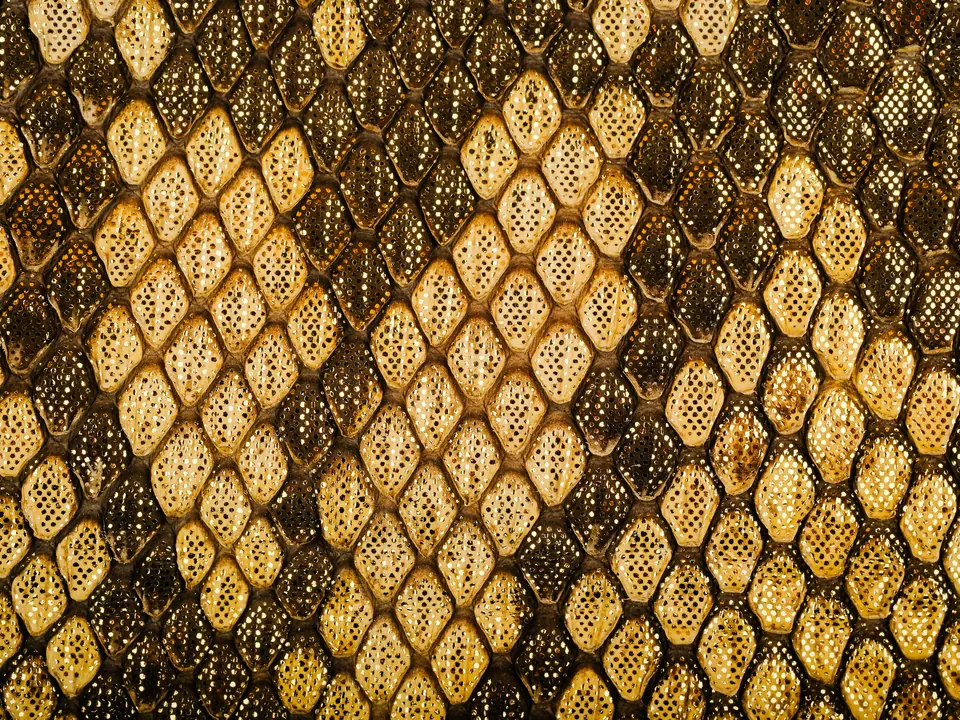
Snakeskin, python, lizard, crocodile, alligator, ostrich and stingray are real hides with scales, beads or quills, and the scales are where care goes wrong. Wipe with them, never against; keep water to a minimum; and feed the skin with a conditioner made for it, only when it looks dry. Anything more than a wipe on a valuable pair is a specialist's job.