Caring for Exotic Skins
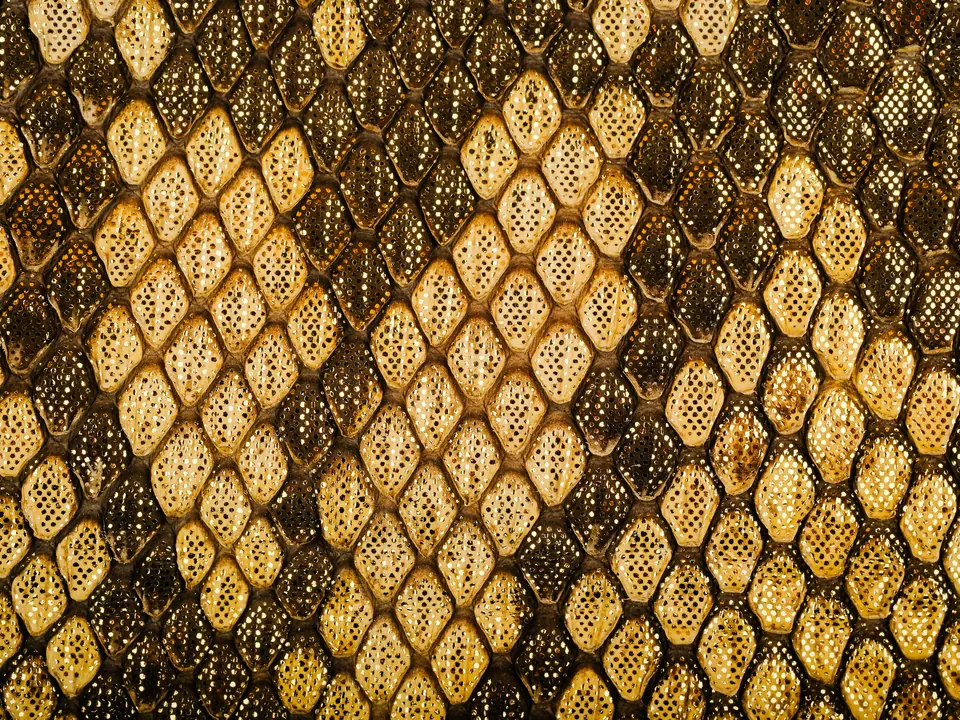
Snakeskin, python, lizard, crocodile, alligator, ostrich and stingray are real hides with scales, beads or quills, and the scales are where care goes wrong. Wipe with them, never against; keep water to a minimum; and feed the skin with a conditioner made for it, only when it looks dry. Anything more than a wipe on a valuable pair is a specialist's job.
Overview
How often
Wipe after every few wears. Condition when the skin looks dry or the scale edges look pale, roughly every 25 wears or a few times a year. Stingray only ever needs a wipe.
Materials covered
Snakeskin / python, Crocodile / alligator, Ostrich, Lizard, Stingray (shagreen)
What you'll need
- Bickmore Bick 4 Leather ConditionerExotic-safe conditioner (test a hidden spot)
- Microfiber Cleaning Cloths (multi-pack)Soft cloth for wiping and buffing
- Angelus Premium Horsehair Shoe BrushSoft brush, crocodile and ostrich only
Picked for the material, not paid for. Test anything new on a hidden spot first.
Step by step
Step 1: Dust off with the scales
A soft, dry cloth, wiped the way the scales lie. Run a fingertip over them: the smooth way is the right way (it depends on how the skin was cut, so it isn't always toe to heel). On crocodile, alligator and ostrich a soft horsehair brush is fine, in the same direction. No brush on snake, lizard or stingray.
Step 2: Wipe clean
A microfiber wrung out until it's barely damp, the way the scales lie. Dirt in the scale edges comes out with a cotton bud along the edge, never a fingernail or a brush. Dry at room temperature.
Step 3: Condition when dry
A reptile conditioner (Saphir Reptan) or an exotic-safe one (Bickmore Bick 4), tested on a hidden spot first. A thin coat on a soft cloth, with the scales; let it soak in, then buff with a dry cloth. Too much darkens the skin. Glazed or high-shine skins (most python and croc on shoes) don't absorb it: a damp wipe only, and ask a specialist before conditioning.
Skip for Stingray (shagreen)Step 4: Stingray: wipe and buff
Stingray's beads are hard and don't take conditioner. A damp wipe, then a dry soft cloth for the shine.
Only for Stingray (shagreen)Step 5: Lifting scales
Scales lifting at the toe or flex point: don't trim or glue them yourself. A specialist can lay them back down, and conditioning a little more often keeps the rest flat.
What to avoid
- Rubbing against the scales — it lifts and tears them
- Soaking, or any spray made for suede, fabric or ordinary leather
- Brushes on snake, lizard or stingray
- Oils, mink oil, wax polish and solvent cleaners
- Heat or direct sun to dry — skins dry out and crack
Watch for
- Lifting scales. Condition and keep wiping with the scales. Lifted scales are a specialist repair.
- Dry cracking. Condition now, store away from heat. Deep cracks can't be undone.
By material
The routine above, adjusted for each material it covers.
Snakeskin / python
The most delicate: thin scales that lift if wiped the wrong way or left to dry out. No brush, conditioner little and often.
Crocodile / alligator
Tough between the scales, but they crack if the skin dries out. A soft horsehair brush with the scales is fine; reptile conditioner sparingly.
Ostrich
The most forgiving of the exotics. Quill bumps hold dirt; a soft brush lifts it. Takes an exotic-safe conditioner well.
Lizard
Small, fine scales that lift easily at the flex. Wipe gently; conditioner very sparingly.
Stingray (shagreen)
Calcified beads, nearly indestructible. A damp wipe and a buff; nothing else.
Between wears
- Shape. Shoe trees or firm tissue stuffing, so the skin doesn't crease deep where scales lift.
- Light. Out of the sun and away from heat: exotic skins fade and dry out fast.
- Humidity. Not too dry: a heated room dries the skin. A dust bag in a closet is right.
- Containers. Cotton dust bags, not plastic, and not touching other pairs: scales snag.
Related guides
-
Cleaning & Conditioning Leather
Most of your Jordans, Dunks, Air Maxes, Sambas, and Stan Smiths land here. Modern leather uppers are forgiving — what wrecks them is dirt sitting in crease lines and leather drying out from neglect. A clean every 25 wears or so, plus a light condition when it feels dry, keeps the grain alive.
-
Patent Leather Maintenance
That mirror finish on AJ11 mudguards and certain AF1 releases is a lacquer coating over the leather. It resists water and most stains, but every scuff shows. Clean gently and keep anything abrasive away — once patent crazes, there's no bringing it back.
-
Polishing Dress Leather
Oxfords, derbies, loafers, leather heels and flats. Dress leather is looked after differently from an everyday trainer: a brush after every wear, trees in, and every so often a clean, a coat of cream polish to feed the leather and bring the color back, then wax only where you want a shine. Cream feeds; wax protects and shines. Heels, soles and welts are a cobbler's job when they wear down.