Cleaning & Conditioning Leather
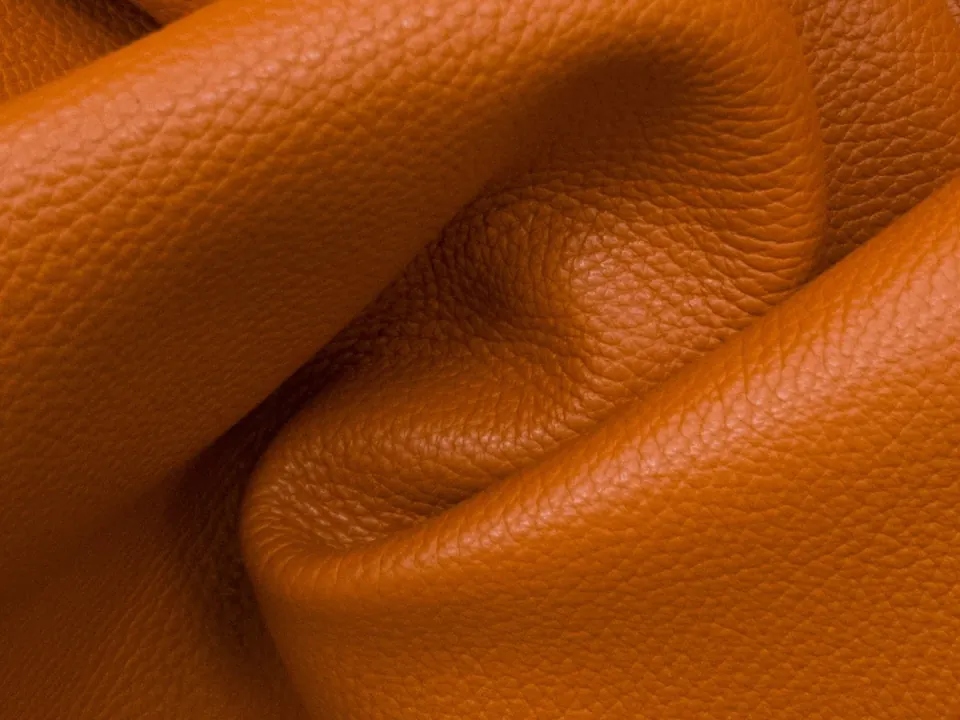
Most of your Jordans, Dunks, Air Maxes, Sambas, and Stan Smiths land here. Modern leather uppers are forgiving — what wrecks them is dirt sitting in crease lines and leather drying out from neglect. A clean every 25 wears or so, plus a light condition when it feels dry, keeps the grain alive.
Overview
How often
Clean roughly every 25 wears, sooner after rain, mud or a spill. Condition when the leather feels dry or looks dull — about every 25 wears for most pairs. Protector is optional on smooth leather; if you use one, re-apply it every 3–4 weeks of regular wear, sooner when water stops beading.
Materials covered
Full-grain leather, Tumbled leather, Nappa / soft leather, Oiled / Crazy Horse leather, Synthetic leather (PU-coated)
What you'll need
- Angelus Premium Horsehair Shoe BrushHorsehair brush for brushing and buffing leather
- Jason Markk Premium Shoe CleanerDaily cleaner
- Jason Markk Standard BrushCleaning brush
- Crep Protect SprayUniversal protectant
- Nikwax Fabric & Leather ProofMembrane-safe reproofer for Gore-Tex pairs
Picked for the material, not paid for. Test anything new on a hidden spot first.
Step by step
Step 1: Prep
Remove laces (don't clean them on the shoe — dye can transfer). Stuff with paper or shoe trees to maintain shape. Knock the outsoles together to dislodge dry dirt.
Step 2: Dry brush
Soft-bristle brush across the entire upper to lift surface dust. Always before any wet step.
Step 3: Clean
Damp microfiber cloth with a small amount of cleaner. Work in small circles, never aggressive scrubbing. Wipe with a damp clean cloth between passes.
Step 4: Dry naturally
No direct heat. Stuff with paper, set in a ventilated spot. 4-6 hours minimum. Heat permanently damages leather.
Step 5: Condition
Small amount on a clean cloth or applicator brush. Work in thin coats — too much oil saturates the leather and darkens it permanently. Let it absorb 15-30 minutes between coats. Most pairs need only one coat. Most leather on everyday pairs (AF1, Dunk, Jordan) has a light coated finish: condition only when it looks dry, one thin coat, buffed off, and skip it if it sits on top as a film. Skip this step on synthetic leather.
Skip for Synthetic leather (PU-coated)Step 6: Buff
Horsehair brush in short, fast strokes to bring up the shine (and spread any conditioner evenly).
Step 7: Protect (optional)
Spray a PFAS-free water and stain repellent in an even, light coat from 6-8 inches away. Let dry 1 hour minimum before wearing. Re-apply every 3–4 weeks of regular wear, sooner when water stops beading.
Skip for Waterproof membraneStep 8: Protect: membrane-safe reproofer
Waterproof lining: use a membrane-safe reproofer like Nikwax Fabric & Leather Proof, not an ordinary protector, which clogs the membrane. Once clean and dry, when water stops beading.
Only for Waterproof membrane
What to avoid
- Heat to speed drying — hair dryers, radiators, direct sun
- Soaking the upper or scrubbing hard
- Thick coats of conditioner — they darken leather permanently
- Conditioner on synthetic leather
- Bleach, alcohol wipes or undiluted dish soap
Watch for
- Hairline cracks. Condition now to slow them spreading. The cracks themselves are permanent.
- Color fade. Saphir Crème Surfine or Crème Rénovatrice can restore lost color, but matching is hard. Store the pair away from windows and direct light.
By material
The routine above, adjusted for each material it covers.
Full-grain leather
Standard routine. Most retail pairs (AF1, Dunk, Jordan) are corrected grain: the coating means a damp wipe and a mild cleaner do most of the work, and conditioner is rarely needed. Italian calfskin (Dior × AJ1, AJ2 OG) is thinner and more delicate than standard leather uppers — use a gentle hand and premium products like Saphir Renovateur.
Tumbled leather
Pebbled texture masks creasing, so you can condition slightly less frequently. The pebbles also trap more dirt — give extra time to the brushing step.
Nappa / soft leather
Extra gentle pressure. Nappa is softer and more delicate than standard leather uppers. Stick to gentle products like Saphir Renovateur and avoid aggressive cleaning.
Oiled / Crazy Horse leather
Condition less, accept patina more. This leather is meant to develop character, so skip buffing for shine. Re-oil with neatsfoot oil or Bick 4 every 6-12 months, only when the leather feels dry.
Synthetic leather (PU-coated)
No conditioner needed; conditioner damages PU-coated synthetics. Just clean (damp cloth + mild soap) and protect (repellent spray). Cracks are permanent — there's no rehabilitation for cracked synthetic. Storage matters more than cleaning here.
Between wears
- Climate. Cool, dry, dark. Heat and UV are the main long-term enemies. A closet shelf is fine.
- Shape. Stuff with paper or shoe trees to maintain shape. Cedar shoe trees also absorb moisture and odor — worth the $15-20 if you wear the pair regularly.
- Containers. Don't store in plastic bags — leather needs to breathe. Original boxes or cotton dust bags only.
- Rotation. If you wear leather often, give each pair a day off between wears. Leather needs about 24 hours to release the moisture from a day's wear.
Related guides
-
Patent Leather Maintenance
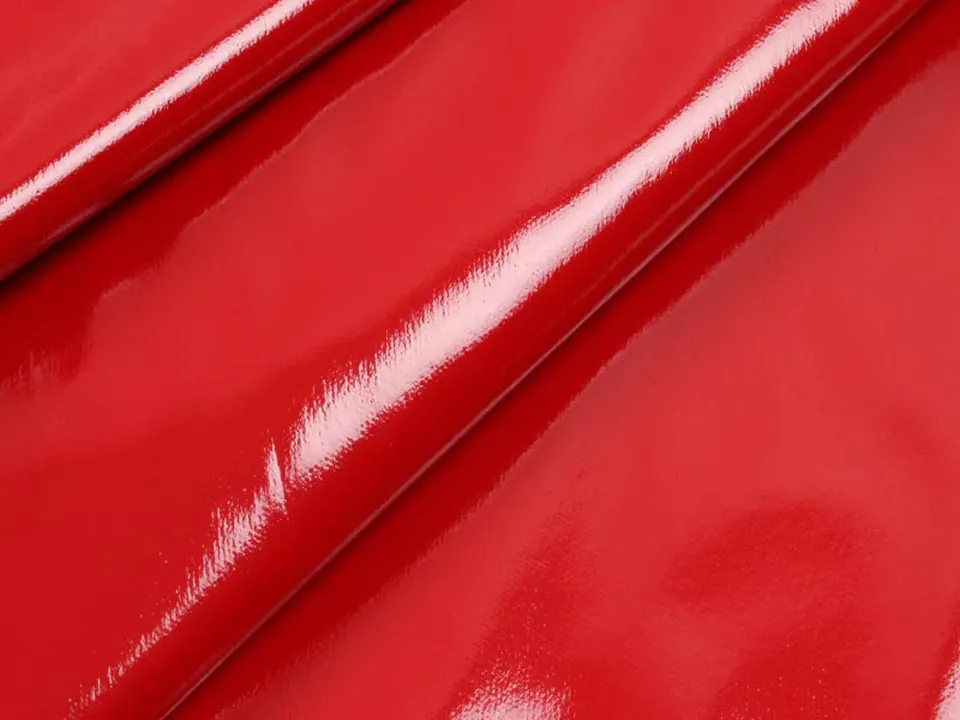
That mirror finish on AJ11 mudguards and certain AF1 releases is a lacquer coating over the leather. It resists water and most stains, but every scuff shows. Clean gently and keep anything abrasive away — once patent crazes, there's no bringing it back.
-
Polishing Dress Leather
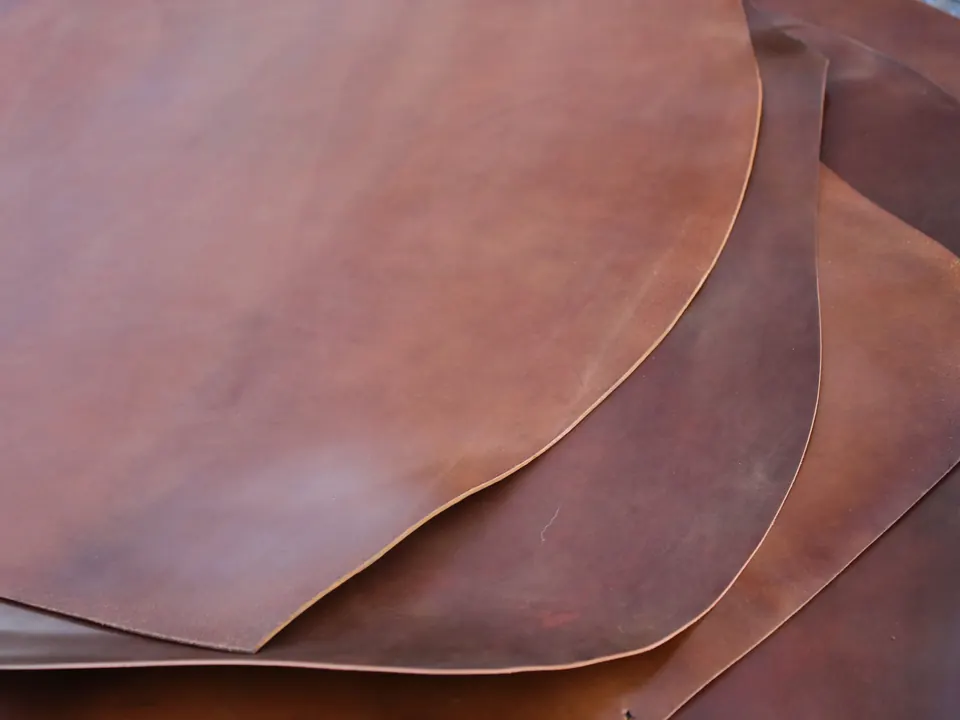
Oxfords, derbies, loafers, leather heels and flats. Dress leather is looked after differently from an everyday trainer: a brush after every wear, trees in, and every so often a clean, a coat of cream polish to feed the leather and bring the color back, then wax only where you want a shine. Cream feeds; wax protects and shines. Heels, soles and welts are a cobbler's job when they wear down.
-
Caring for Exotic Skins
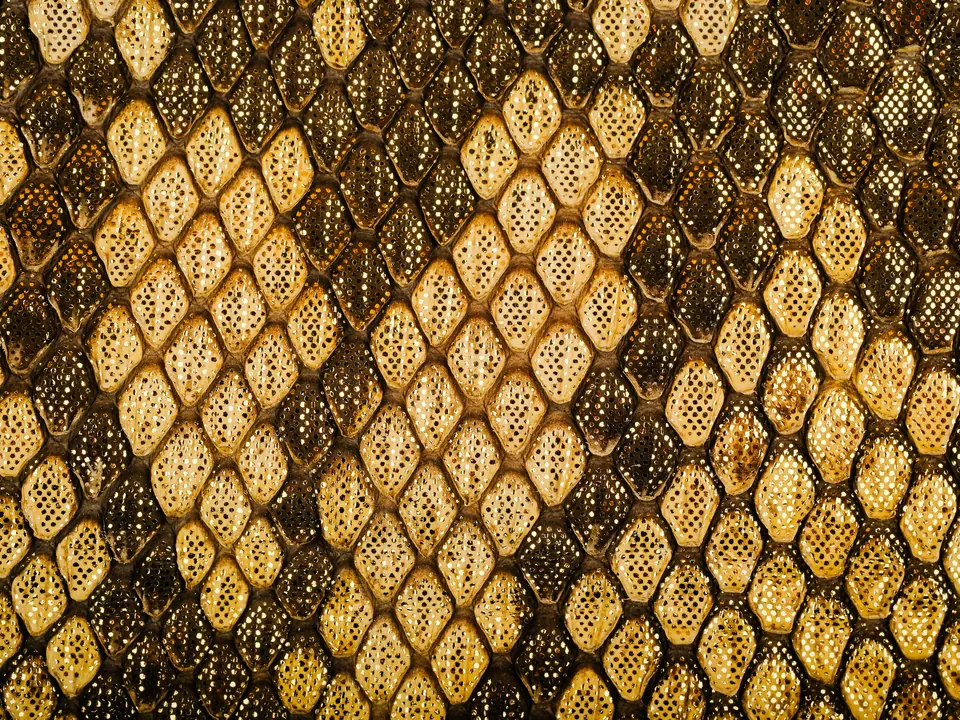
Snakeskin, python, lizard, crocodile, alligator, ostrich and stingray are real hides with scales, beads or quills, and the scales are where care goes wrong. Wipe with them, never against; keep water to a minimum; and feed the skin with a conditioner made for it, only when it looks dry. Anything more than a wipe on a valuable pair is a specialist's job.