Preventing Midsole Rot
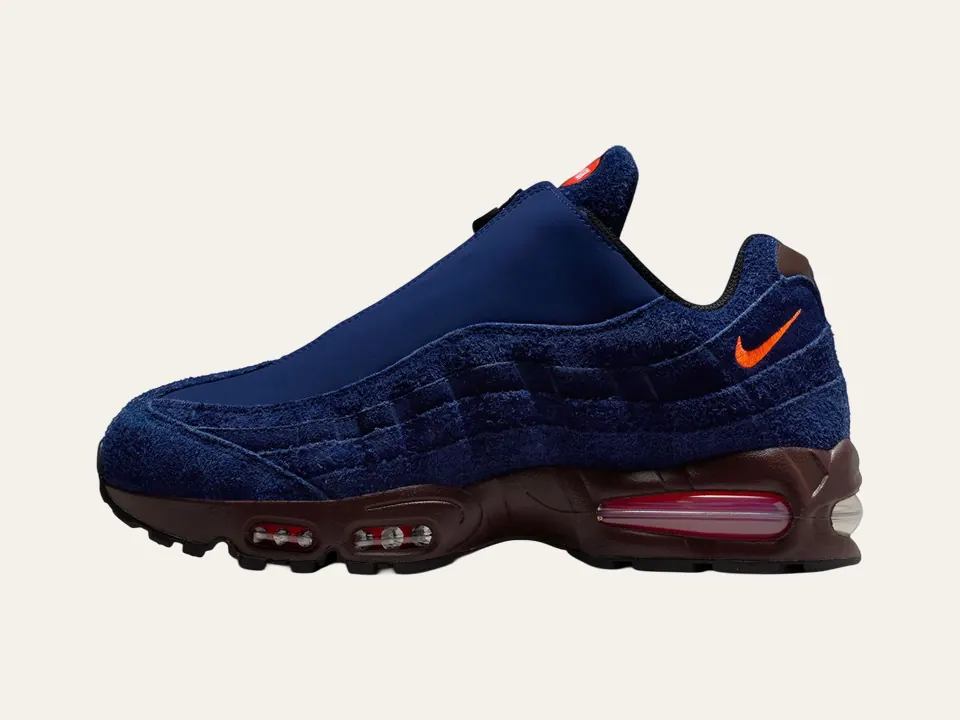
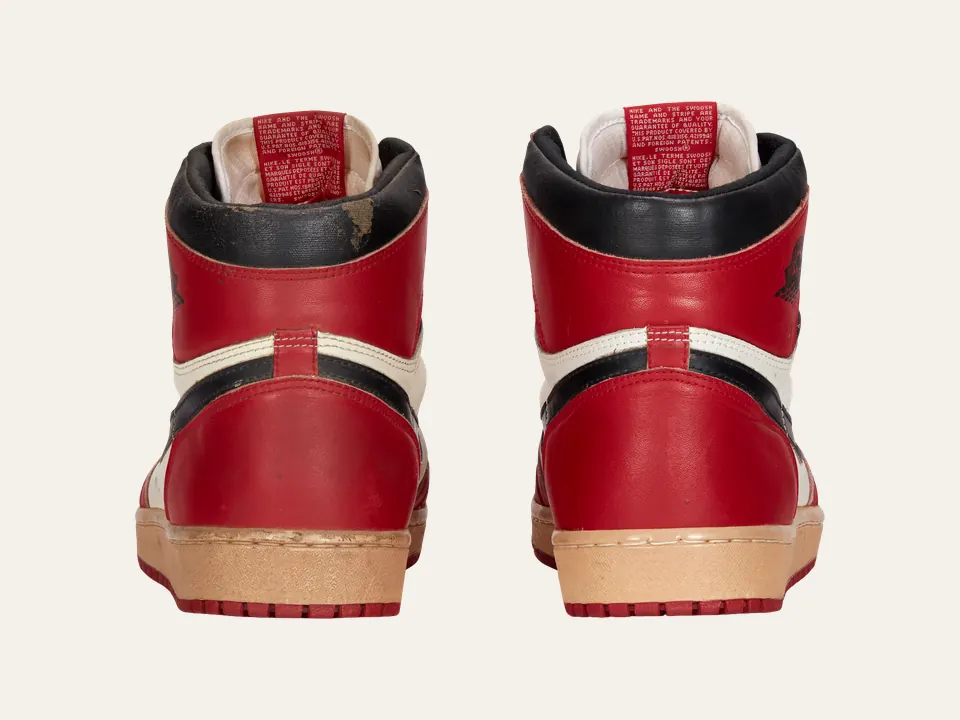
Older Jordans, Air Max 95s and 97s, ENCAP New Balance runners and some adidas pairs use polyurethane (PU) midsoles that slowly break down — the crumbling people call midsole rot, often after 5–10 years. Good storage and regular wear slow it down.
Overview
How often
Wipe the midsole whenever you clean the pair, roughly every 30 wears. Every few months, take each PU pair out and flex it: look for cracking, tackiness or separation. Wear doesn't slow the breakdown; the storage climate does.
Materials covered
Polyurethane, ENCAP, Shox columns, adiPRENE / adiPRENE+
What you'll need
- Silica Gel Packets (Bulk Pack)Humidity absorption
- Reshoevn8r Sole Revive (Unyellowing Treatment)Cosmetic yellowing fix (firm, intact PU only)
- Crep Protect Towel (Microfiber)Damp wipe, water only
- Crep Protect Compact Crate (Box Pack)Compact display storage (keep out of direct sun)
Picked for the material, not paid for. Test anything new on a hidden spot first.
Step by step
Step 1: Surface cleaning
Damp microfiber, plain water. That's it. No solvents, no harsh chemicals, no soaking.
Step 2: Yellowed PU surfaces
Most PU midsoles on Jordan 3s, 4s and Air Max 90s are painted. Brightener won't whiten paint and can lift it, so on a painted midsole touch up the paint instead (an Angelus paint matched to the color) or leave it. Only on unpainted PU that's firm and intact — skip it if the foam is cracked, tacky or crumbling. Apply Angelus Sole Bright or Reshoevn8r Sole Revive in a thin coat, wrap with cling film and cure under a UVA nail or resin curing lamp (never a UV-C germicidal lamp), or in mild sun in short sessions. Check that the surface never gets hot. Mask off suede, fabric and printed graphics — these products bleach. Gloves and eye protection, a ventilated room, and don't sit under the lamp.
Step 3: Quick wipe after wear
Slightly damp microfiber. Don't soak. The goal is removing surface dirt, not deep cleaning.
Step 4: Midsole-to-upper separation (already started)
Cobbler reglue is sometimes possible but rarely a long-term fix once hydrolysis has weakened the foam. Often the shoe needs a full sole-swap rebuild ($150-400 from specialty cobblers).
What to avoid
- Soaking or solvents — water speeds up PU breakdown
- Sole brightener on cracked, tacky or crumbling foam
- Hot, humid storage like garages and attics
- Leaving a pair boxed for years without looking at it
- Brightener or peroxide on painted midsoles — it won't whiten paint and can lift it
Watch for
- Pu years 5 10. Check your storage and move the pair somewhere climate-controlled if it isn't already.
- Pu years 10 15. Wear it gently and check the midsole before each wear. A sole swap may be needed.
- Pu years 15 plus. Wear sparingly — the midsole could fail mid-wear. A sole swap is the only fix.
By material
The routine above, adjusted for each material it covers.
Polyurethane
Standard polyurethane — the classic case (AJ3, AJ4, AJ5, AJ6, AM95, AM97). The worst examples are 15-20 year old pairs stored somewhere humid.
ENCAP
ENCAP (NB 990 family, 991, 992, 993, 1500). The PU rim breaks down; the EVA core inside is more stable. Watch for the rim cracking or separating from the core. The NB 1906 family does not use ENCAP — its EVA-based foam has no rot risk.
Shox columns
Nike Shox columns can detach from the TPU plates over time. Column compression and column-to-plate bond failure are the signals. Nike Shox R4, TL.
adiPRENE / adiPRENE+
adidas adiPRENE+ (pre-Boost PU cushioning). Same rot risk as standard PU. Found in KB8 III, T-Mac 1, Agent Zero and Yeezy 500. The Yeezy 500 tends to break down faster than average, so humidity control matters more.
Between wears
- Climate control critical. Climate control matters more than anything else. Aim for 60-70°F (16-21°C) and 30-50% humidity. A garage in Houston is the worst case; a climate-controlled closet in a temperate climate is the best.
- Monitoring. Use a hygrometer to measure humidity where your pairs live — guesses are usually wrong. One costs about $15 and tells you whether your storage is working.
- Humidity absorption. Silica gel inside every box for any climate above 50% humidity. Renewable silica (Eva-Dry) recharges by plugging into an outlet — pays off over years.
- Uv. UV is the secondary enemy. Even pigmented midsoles yellow with sun exposure. Dark closet > display case in a sunny room.
- Check it early. Wear doesn't slow hydrolysis; the storage climate does. Taking the pair out and flexing it every few months is how you catch it early, while a cobbler can still do something.
- Dust bags dont help. Cotton dust bags prevent scuffs but do nothing against midsole rot.
Related guides
-
Cleaning & Brightening Midsoles
Most modern pairs — Nike Phylon and Cushlon, adidas Lightstrike, most casual silhouettes — use EVA-based foam midsoles. Boost (TPU) and ZoomX (PEBA) are covered here too, with their own rules. Slow compression over years of wear is normal, not a defect. Keep them clean and out of hot cars and they'll last.
-
Caring for Gel Cushioning
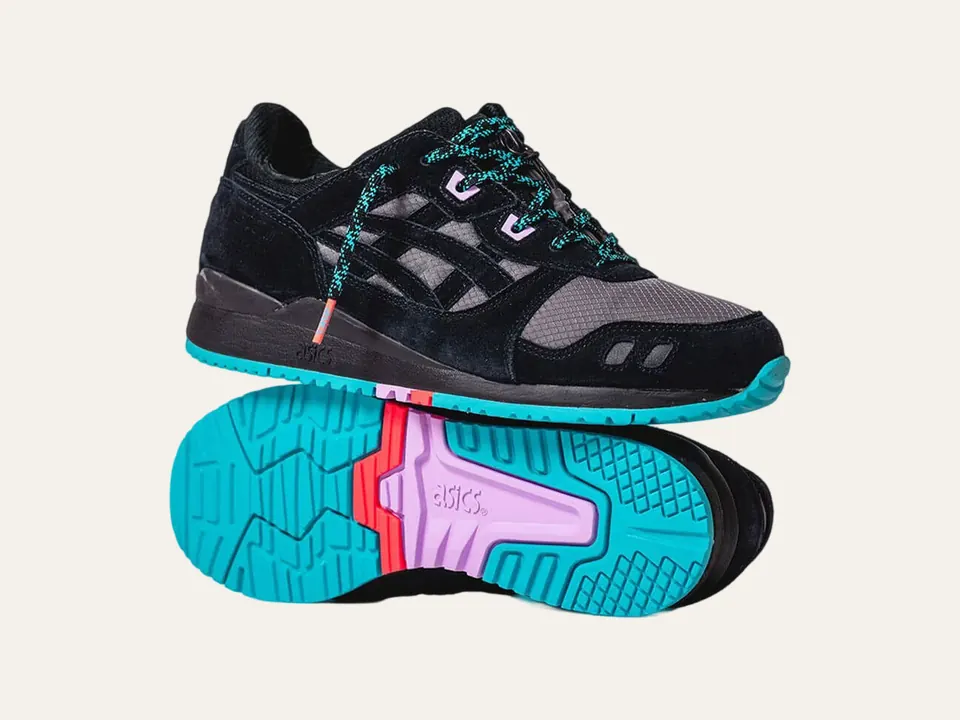
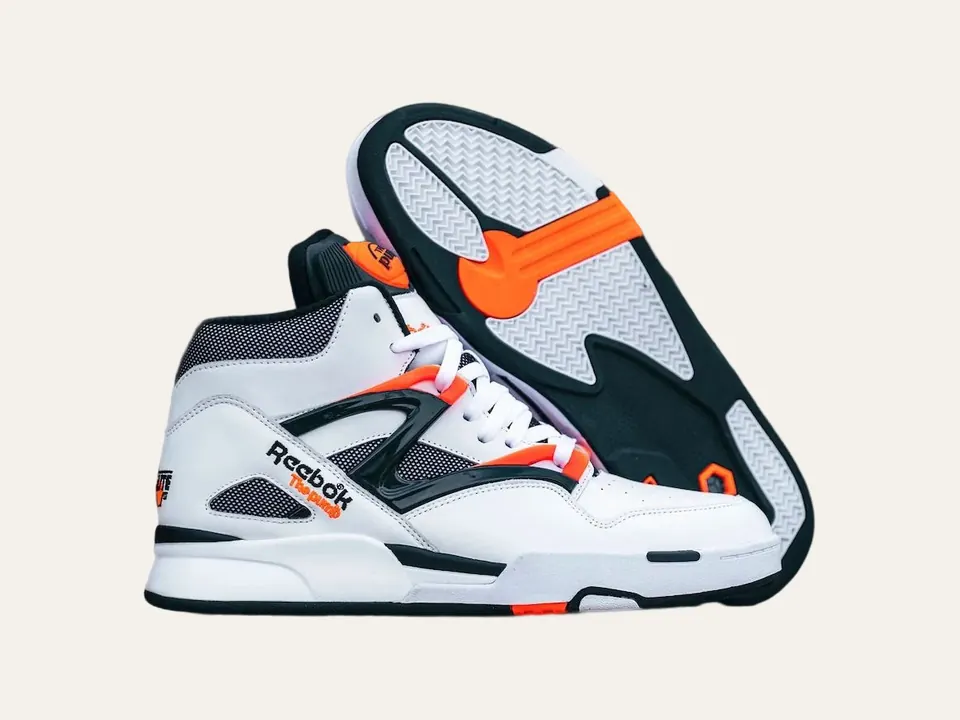
ASICS Gel, Reebok DMX, Mizuno Wave — encapsulated cushioning sitting inside the surrounding midsole foam. The pods themselves are durable; the concerns are the foam around them and the clear windows that expose the gel. Keep them out of extreme heat.
-
Caring for Plate & Pod Cushioning
Carbon fiber plates, honeycomb cells, hollow pods — cushioning that uses structure rather than foam to compress. Generally bulletproof, but the visible elements can crack with heavy abuse or extreme cold. Avoid storing in unconditioned spaces.