Caring for Plate & Pod Cushioning
Carbon fiber plates, honeycomb cells, hollow pods — cushioning that uses structure rather than foam to compress. Generally bulletproof, but the visible elements can crack with heavy abuse or extreme cold. Avoid storing in unconditioned spaces.
Overview
How often
Clear debris after trail or gravel wears; a full wipe roughly every 30 wears. Brighten visible TPU only when it yellows.
Materials covered
Megaride tunnel system, Hexalite, Mizuno Wave plate, Saucony Grid, On CloudTec
What you'll need
- Dawn Ultra Dish Soap (DIY Cleaner)Detail cleaner
- Microfiber Cleaning Cloths (multi-pack)Wipe
Picked for the material, not paid for. Test anything new on a hidden spot first.
Step by step
Step 1: Remove debris first
Compressed air, light brushing, or shaking the shoe. Pebbles, grass, sand collect in Hexalite honeycombs, CloudTec pods, Wave plate channels.
Step 2: Wipe accessible surfaces
Damp microfiber + mild soap. Avoid soaking the structure — water trapped inside is hard to remove.
Step 3: Deep debris in CloudTec pods
Flex the shoe to dislodge, then blow out. Persistent debris may need to be tweezed out (carefully).
Step 4: TPU yellowing on visible plates/rings
Use the sole brightener routine from Cleaning & Brightening Midsoles, and mask off any pigmented sections.
Step 5: Never apply heat
TPU softens above about 140°F. Leaving pairs in a hot car is genuinely damaging.
Step 6: Wave Prophecy / dual-plate
The most mechanical midsole there is — no foam to compress, just plate flex. Care is simple: surface wipe and debris removal. The plates last for years.
What to avoid
- Soaking the structure — trapped water is hard to get out
- Heat above about 140°F, like a summer car
- Freezing storage — cold makes TPU brittle
- Prying debris out with sharp tools
Watch for
- Wave cold crack risk. Store above freezing — not in an unheated garage or car in winter.
- Vintage hexalite. Store at room temperature and flex it gently; the older the TPU, the higher the crack risk.
By material
The routine above, adjusted for each material it covers.
Megaride tunnel system
Megaride tunnel system (adidas, 2004). Hollow TPU rings. Original 2004-era TPU is more brittle than modern formulations, so cold storage is a real risk here.
Hexalite
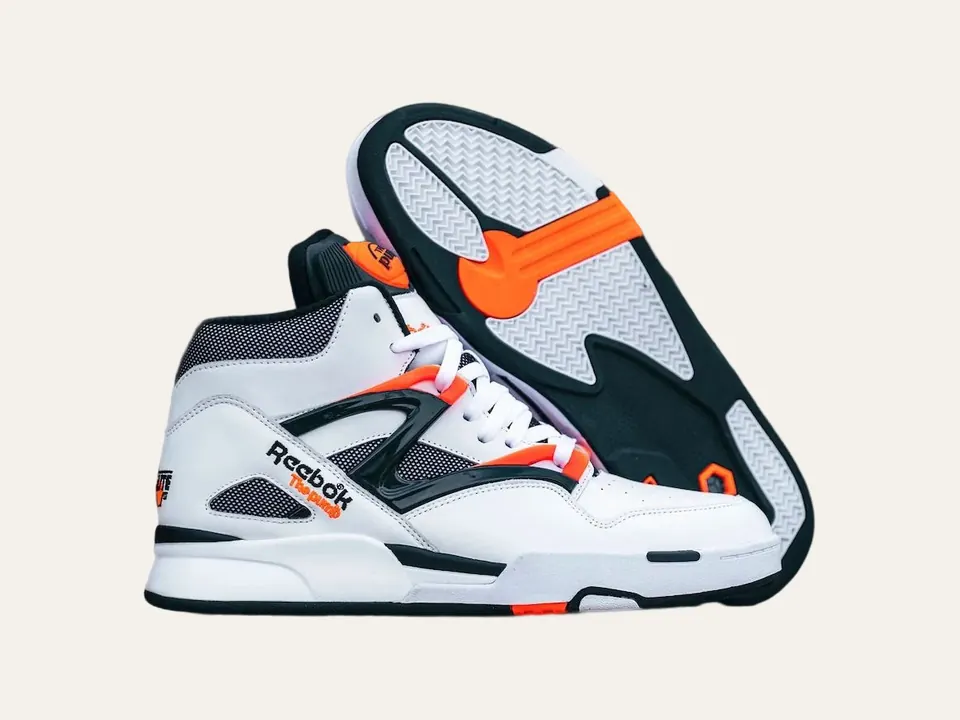
Hexalite (Reebok). TPU honeycomb. Cell walls can crack at cold extremes. Pump Omni Zone II and Instapump Fury both use Hexalite.
Mizuno Wave plate
Mizuno Wave. Pebax plate. Pebax Rnew (bio-blend) is the modern formulation. Single plate in standard Wave Riders; double plate in Wave Prophecy. Both highly durable. Modern Pebax has fewer cold-brittleness issues than older TPU.
Saucony Grid
Saucony Grid. A polymer lattice inside EVA foam. The foam protects the lattice, so care the foam with the Cleaning & Brightening Midsoles routine.
On CloudTec
On CloudTec. Hollow pods, typically Pebax or TPU shell. The cutout channels between pods collect debris aggressively. Cloudmonster uses Helion foam (EVA + OBC blend) + CloudTec pods. Triple-Air CloudTec (newer variants) adds layered pods.
Between wears
- Uv. Cool, dark, dry. TPU yellows under UV (especially clear/translucent TPU like Wave Prophecy plates).
- Cold storage risk. Avoid extreme cold storage. TPU becomes brittle below freezing. A cold garage in winter Minnesota is genuinely a structural risk.
- Standard. Otherwise store like any other pair — box, plain white paper stuffing.
Related guides
-
Preventing Midsole Rot
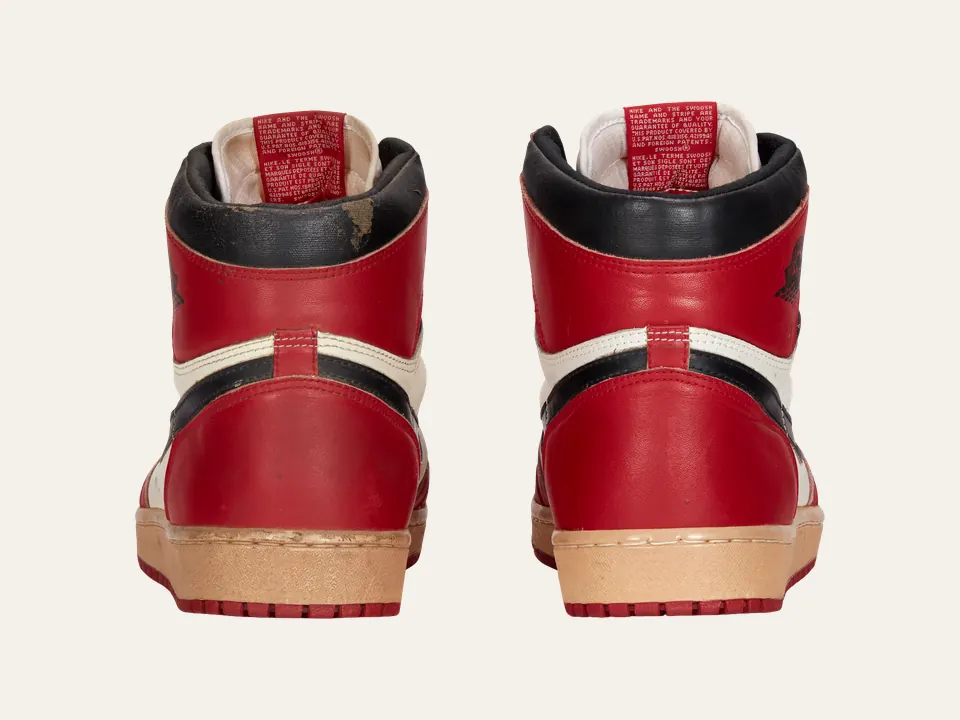
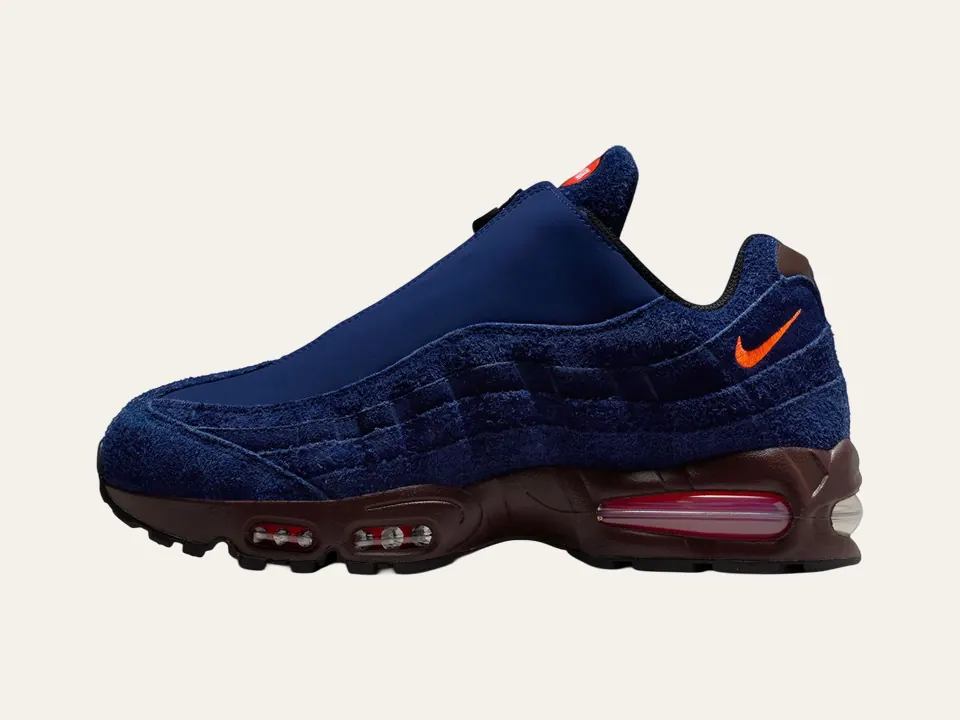
Older Jordans, Air Max 95s and 97s, ENCAP New Balance runners and some adidas pairs use polyurethane (PU) midsoles that slowly break down — the crumbling people call midsole rot, often after 5–10 years. Good storage and regular wear slow it down.
-
Cleaning & Brightening Midsoles
Most modern pairs — Nike Phylon and Cushlon, adidas Lightstrike, most casual silhouettes — use EVA-based foam midsoles. Boost (TPU) and ZoomX (PEBA) are covered here too, with their own rules. Slow compression over years of wear is normal, not a defect. Keep them clean and out of hot cars and they'll last.
-
Caring for Gel Cushioning
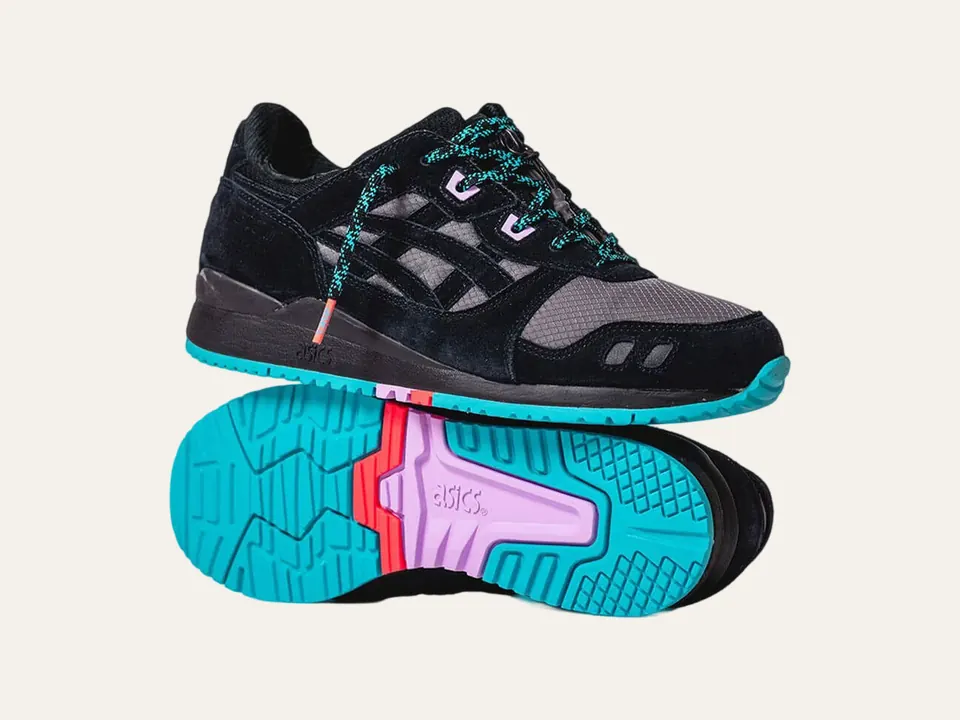
ASICS Gel, Reebok DMX, Mizuno Wave — encapsulated cushioning sitting inside the surrounding midsole foam. The pods themselves are durable; the concerns are the foam around them and the clear windows that expose the gel. Keep them out of extreme heat.