Cleaning Outsoles
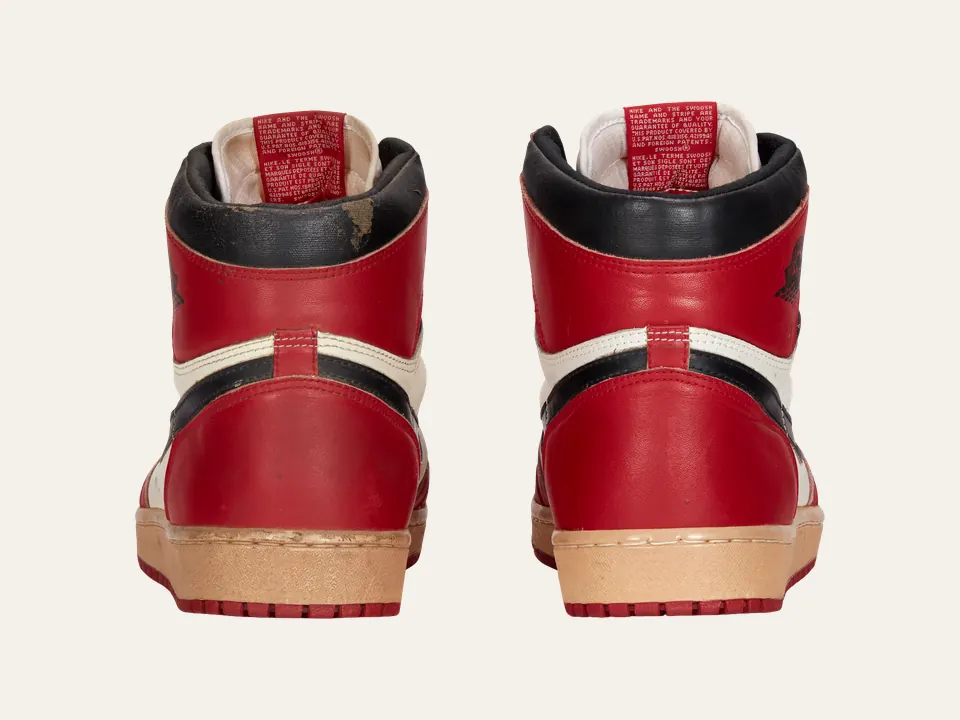
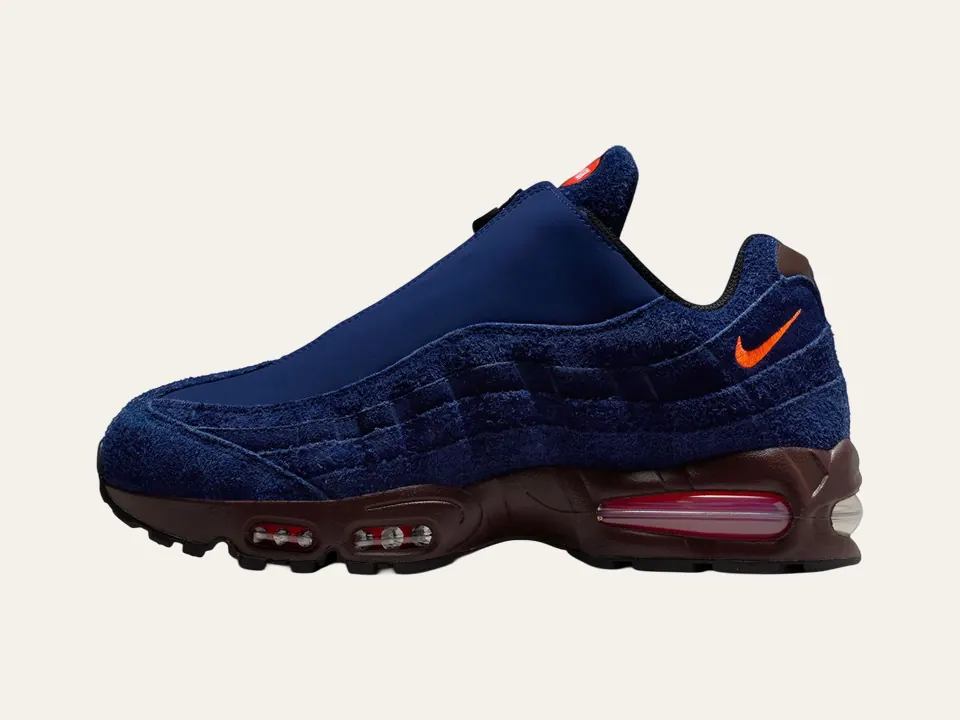
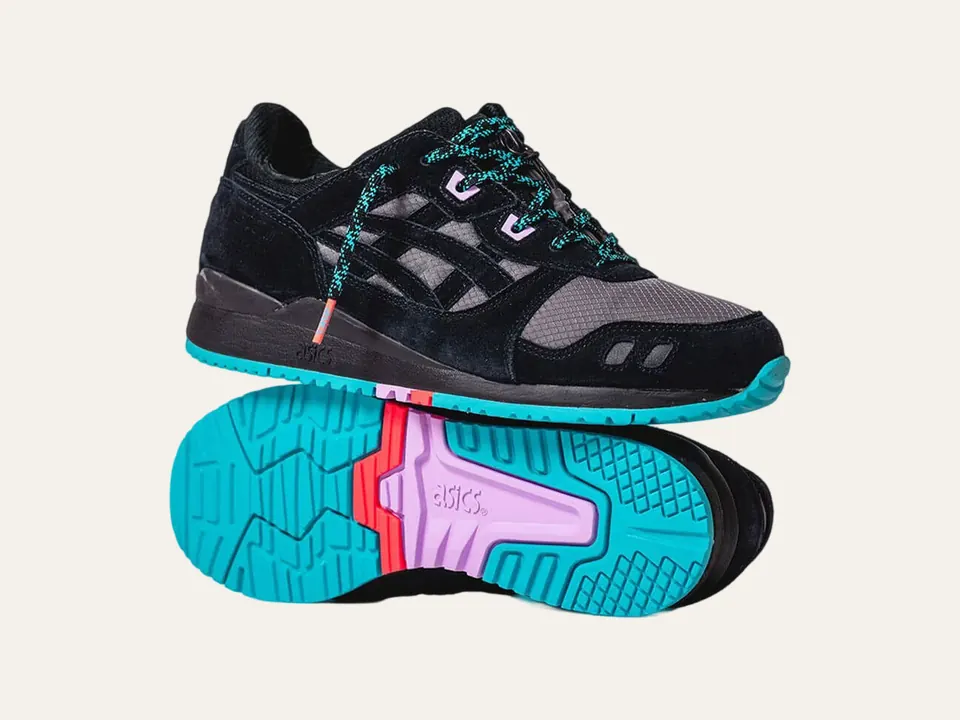
Solid rubber, gum rubber, translucent / icy soles, Continental, Vibram, crepe — different rubber compounds, different care. Gum and translucent yellow over time, crepe gets dirty fast, all of them benefit from a quick scrub after muddy wears. Limit long sun exposure.
Overview
How often
Knock off debris after muddy wears and scrub outsoles whenever you clean the pair, roughly every 30 wears. Brighten icy or gum soles only when they yellow.
Materials covered
Solid rubber, Blown rubber, Gum rubber, Carbon rubber, Translucent rubber, Continental rubber, Vibram, Contagrip, Crepe rubber
What you'll need
- Reshoevn8r Sole Revive (Unyellowing Treatment)Sole brightening
- Crep Protect Eraser (Gum + Scuff Block)Gum + scuff eraser
- Jason Markk Premium Shoe CleanerAll-purpose
- OXO Good Grips Grout BrushDetail tread brush
Picked for the material, not paid for. Test anything new on a hidden spot first.
Step by step
Step 1: Standard rubber — debris removal
Knock soles together to dislodge pebbles, grass, mud. Trail outsoles (Vibram, Contagrip) collect significantly more debris than street outsoles.
Step 2: Standard rubber — dry brush
Stiff brush across the tread.
Step 3: Standard rubber — apply cleaner
Damp brush + Jason Markk Premium, Reshoevn8r solution, or a few drops of dish soap in water. Outsoles can take firm brushing.
Step 4: Standard rubber — tread block detail
Toothbrush or grout brush for the grooves.
Step 5: Standard rubber — rinse
Damp microfiber. Remove all soap residue or it streaks when dry.
What to avoid
- Sole brightener on Boost, ZoomX or any painted midsole — see Cleaning & Brightening Midsoles
- Heat of any kind on crepe soles
- Sole brightener near suede, leather or printed graphics
- Leaving soap residue — it streaks when dry
- Curing brightener in sun hot enough to warm the sole
Watch for
- Blown rubber heel wear. Cobblers can re-sole some pairs for $50-150. On athletic shoes it usually means the outsole is done.
- Crepe hardened. Can't be restored; the sole is at the end of its life.
By material
The routine above, adjusted for each material it covers.
Solid rubber
Solid rubber — the workhorse. Standard rubber care routine. Very durable; slow wear.
Blown rubber
Blown rubber — softer than solid. Wears faster, especially at heel pivot point. Standard care otherwise.
Gum rubber
Gum rubber — high-maintenance. Darkens with UV and dirt. A gum eraser like the Crep Protect Eraser is the go-to tool.
Carbon rubber
Carbon rubber — extremely durable. Used at high-wear zones (heel, toe). Variants include NB NDurance and ASICS AHARPLUS.
Translucent rubber
Translucent rubber — UV yellowing is the main aging sign, and it's the most restorable rubber with sole brightener.
Continental rubber
Continental rubber (adidas) — branded rubber compound; performs like premium solid rubber. Standard care. Slow wear.
Vibram
Vibram — premium outdoor compound. Stiff lugs round off with extensive trail use. Standard care for the rubber itself; debris removal from lugs matters.
Contagrip
Contagrip (Salomon) — trail compound with deep lugs that collect debris. Found on Salomon outdoor silhouettes (XT-6, Speedcross, ACS Pro).
Crepe rubber
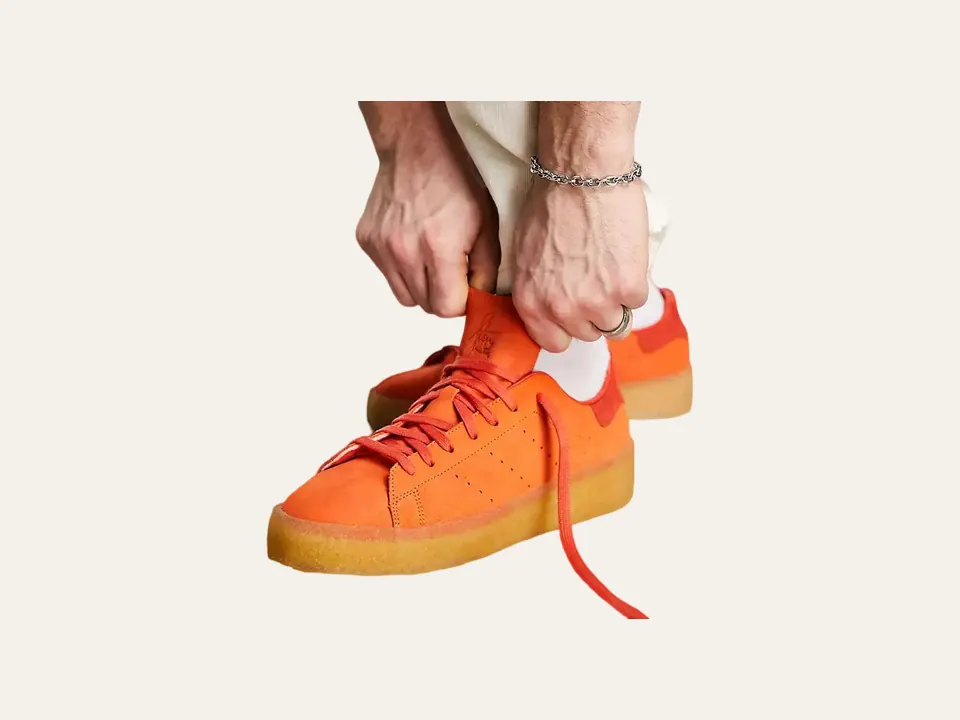
Crepe rubber — heat-sensitive, brittle when old. Brush only, no heat ever. End-of-life when hardened.
Gum sole care
Gum sole is the highest-maintenance outsole material. The 'fresh gum sole' look is short-lived — most gum soles are noticeably darker within 6 months.
- Wipe with a damp microfiber after any wear that leaves dirt.
- For darkened gum, rub a gum eraser like the Crep Protect Eraser across the sole — it lifts embedded dirt and some surface oxidation.
- For yellowing, sole brightener works on gum: thin coat, cling film, a UVA nail or resin curing lamp (never a UV-C germicidal lamp) or mild sun. Mask off the upper. Gloves and eye protection, a ventilated room, and don't sit under the lamp.
- DIY burnishing: rub the gum sole with worn denim or a leather scrap. The friction lifts surface oxidation.
- Protector spray, if you use it, goes on the sidewall only, never the tread: a coated tread is slippery. Test a small area first.
Translucent sole care
Translucent outsoles yellow more dramatically than any other material. It's the most common cosmetic aging sign on Jordans.
- Clean the outsole first — standard wipe and brush. Brightener works on rubber, not on layered dirt.
- Mask off adjacent materials (suede, leather, midsole foam, printed graphics). Sole brighteners bleach.
- Wearing gloves, apply Angelus Sole Bright or Reshoevn8r Sole Revive with a soft brush. Thin, even coat across the translucent area.
- Wrap with cling film, pressed against the sole so it stays in contact with the brightener.
- Cure under a UVA nail or resin curing lamp (never a UV-C germicidal lamp) or in mild sun for 4-8 hours. Check that the sole never gets hot to the touch — heat softens rubber and glue. Gloves and eye protection, a ventilated room, and don't sit under the lamp.
- Check every 1-2 hours. Heavily yellowed soles may need re-application over 2-3 sessions across days.
- Rinse with clean water and dry.
Crepe rubber care
Crepe is rare on modern pairs but shows up on vintage casual silhouettes. It's unusually heat-sensitive.
- Brush only — never apply heat in any form.
- Spot clean with damp microfiber — minimal soap.
- Surface darkening is permanent — crepe doesn't restore the way other rubbers do. Accept patina.
- Hardening is end-of-life — old crepe becomes brittle and cracks. No restoration possible.
Between wears
- Tolerance. Outsoles are the most storage-tolerant part of the shoe. They don't break down like PU, yellow more slowly than midsole foam, and don't compress under the shoe's weight.
- Translucent specific. Translucent rubber benefits most from dark storage — UV is the primary yellowing driver.
- Gum specific. Gum sole benefits from dark storage for the same reason.
- Trail outsoles. Trail outsoles (Vibram, Contagrip) should be stored debris-free — inspect after each wear.
- Crepe specific. Crepe specifically — cool temperatures and stable humidity. Hot storage hardens crepe permanently.
Related guides
-
Preventing Midsole Rot
Older Jordans, Air Max 95s and 97s, ENCAP New Balance runners and some adidas pairs use polyurethane (PU) midsoles that slowly break down — the crumbling people call midsole rot, often after 5–10 years. Good storage and regular wear slow it down.
-
Cleaning & Brightening Midsoles
Most modern pairs — Nike Phylon and Cushlon, adidas Lightstrike, most casual silhouettes — use EVA-based foam midsoles. Boost (TPU) and ZoomX (PEBA) are covered here too, with their own rules. Slow compression over years of wear is normal, not a defect. Keep them clean and out of hot cars and they'll last.
-
Caring for Gel Cushioning
ASICS Gel, Reebok DMX, Mizuno Wave — encapsulated cushioning sitting inside the surrounding midsole foam. The pods themselves are durable; the concerns are the foam around them and the clear windows that expose the gel. Keep them out of extreme heat.