Cleaning & Freshening Linings
You rarely clean the lining itself — cleaning the upper handles 90% of it. The exceptions: sweat odor from heavy wear, a spill that soaked through, and the inevitable wear on the heel collar. Quick maintenance keeps the inside as long-lasting as the outside.
Overview
How often
Freshen linings when odor builds, and let the inside dry fully between wears. Clean them along with the upper, roughly every 20–30 wears.
Materials covered
Textile lining, Mesh lining, Leather lining, Terry / towel lining, Fleece / sherpa lining
What you'll need
- Microfiber Cleaning Cloths (multi-pack)Spot clean only
Picked for the material, not paid for. Test anything new on a hidden spot first.
Step by step
Step 1: Odor in textile, mesh, or terry linings
Sprinkle baking soda inside the shoe, leave overnight, brush out. Repeat for stubborn odor. Cedar shoe trees absorb both moisture and odor — worth the $15-20 investment for any pair worn regularly.
Step 2: Leather linings
These darken and burnish with wear, which is the expected aging signal. No restoration needed. The lining often outlasts the rest of the shoe.
Step 3: Fleece/sherpa linings
Matting is the main aging sign. Spot-clean only; never machine wash (the fleece felts permanently). Found in winter silhouettes and some Vans and Converse cold-weather versions.
Step 4: Mold or mildew inside
White or green fuzz, or a musty smell that baking soda doesn't shift: take the pair outside and brush the spores off dry (a mask helps), wipe the inside with white vinegar and water 1:1, and dry fully in moving air, out of the sun. Mold that's into the lining or the foam, or that comes back, is a professional job: the spores spread to the rest of the closet.
What to avoid
- Machine washing fleece or sherpa linings
- Drying the inside with heat
- Storing a pair before the inside is fully dry
- Wearing or storing a pair that smells musty — mold spreads to the pairs beside it
By material
The routine above, adjusted for each material it covers.
Textile lining
Textile lining — most common. Wears thin at the heel; holds odor.
Mesh lining
Mesh lining — breathable; can tear at the heel.
Leather lining
Leather lining — burnishes and darkens with wear. Often outlasts the rest of the shoe.
Terry / towel lining
Terry/towel lining — absorbs moisture and odor; mats down.
Fleece / sherpa lining
Fleece/sherpa lining — mats, flattens and sheds. Never machine wash.
Between wears
- Moisture. Cedar shoe trees are the simplest improvement for any pair worn regularly.
Related guides
-
Preventing Midsole Rot
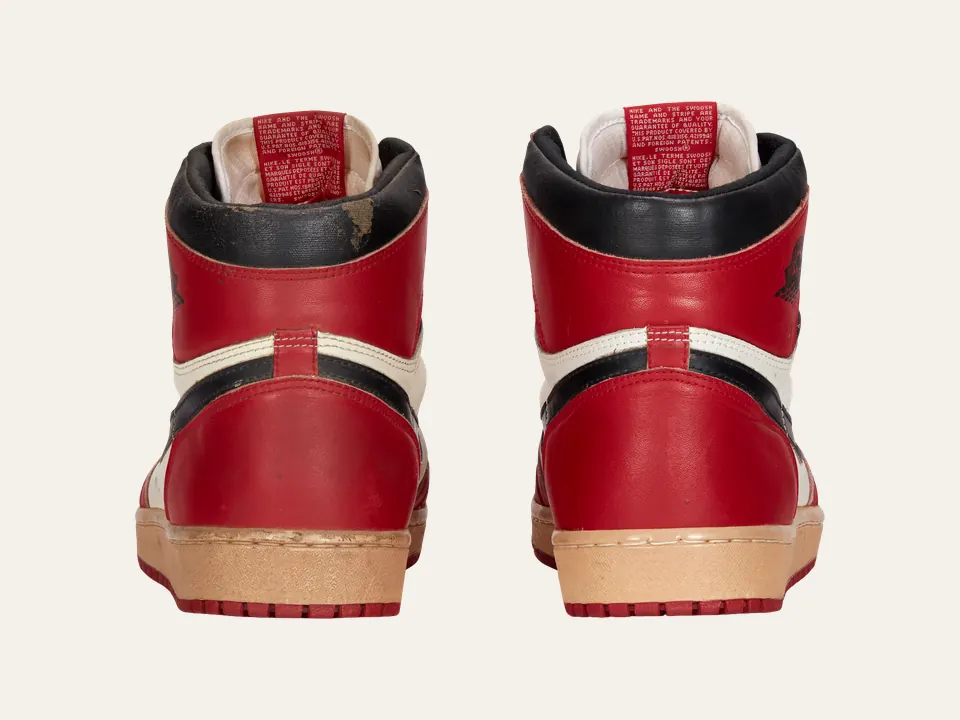
Older Jordans, Air Max 95s and 97s, ENCAP New Balance runners and some adidas pairs use polyurethane (PU) midsoles that slowly break down — the crumbling people call midsole rot, often after 5–10 years. Good storage and regular wear slow it down.
-
Cleaning & Brightening Midsoles
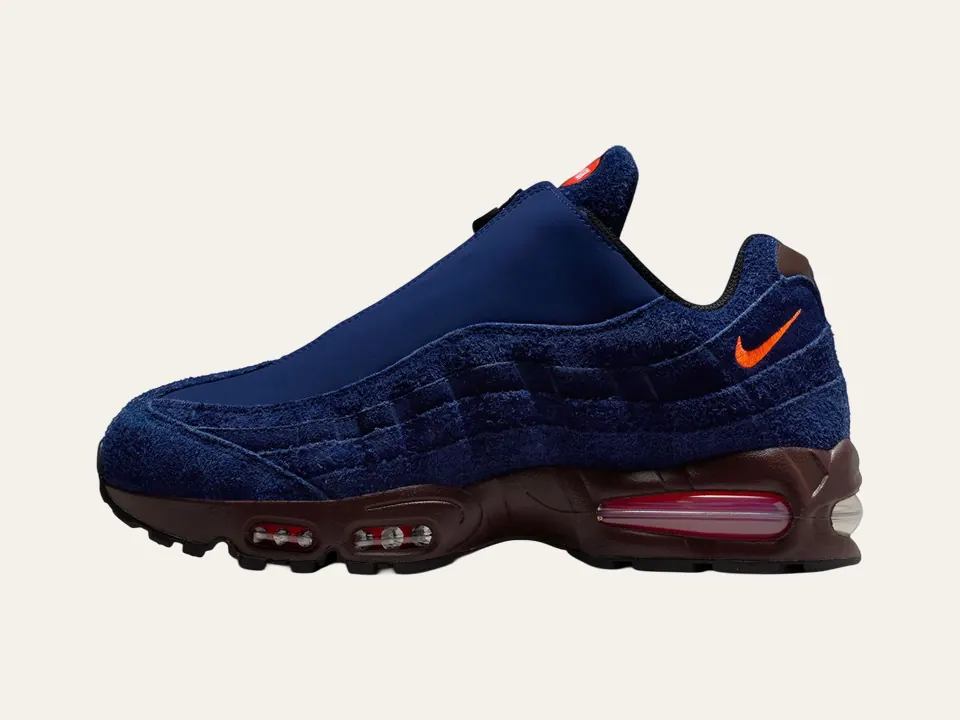
Most modern pairs — Nike Phylon and Cushlon, adidas Lightstrike, most casual silhouettes — use EVA-based foam midsoles. Boost (TPU) and ZoomX (PEBA) are covered here too, with their own rules. Slow compression over years of wear is normal, not a defect. Keep them clean and out of hot cars and they'll last.
-
Caring for Gel Cushioning
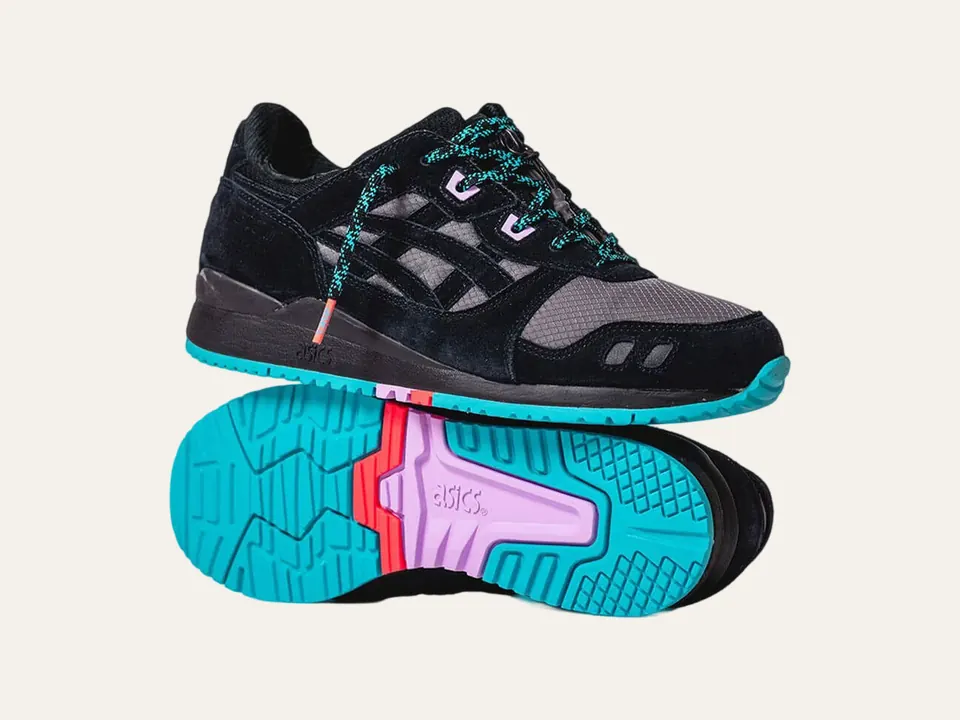
ASICS Gel, Reebok DMX, Mizuno Wave — encapsulated cushioning sitting inside the surrounding midsole foam. The pods themselves are durable; the concerns are the foam around them and the clear windows that expose the gel. Keep them out of extreme heat.