Cleaning Canvas
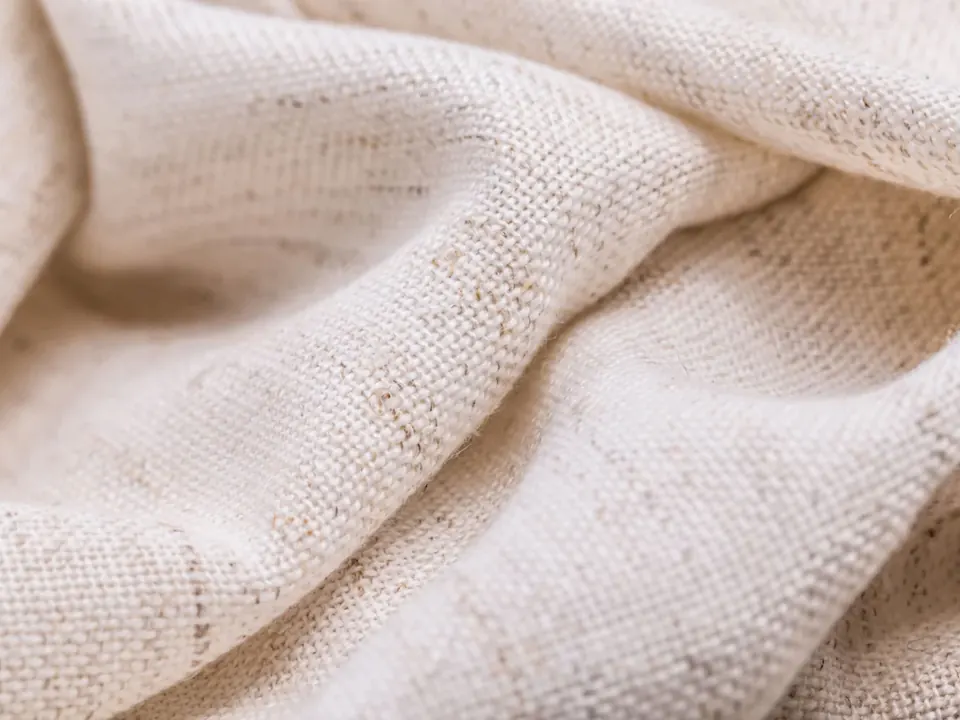
The forgiving upper. Canvas — Chucks, Vans, canvas Jordans — handles direct cleaning and firm brushing. Skip the washing machine and bleach (it weakens fibers and yellows whites), and dry out of direct sun.
Overview
How often
Clean roughly every 20 wears, sooner after mud or a spill. Re-apply protector every 3–4 weeks of regular wear, sooner when water stops beading.
Materials covered
Canvas, Wool / felt, Corduroy
What you'll need
- Reshoevn8r Signature Shoe Cleaning KitMulti-brush kit
- Scotchgard Fabric Water ShieldDrugstore fabric protector
- Crep Protect SprayUniversal protectant
- Jason Markk Standard BrushFirm brush for plain canvas
- Jason Markk Soft BrushSoft brush (wool, corduroy, delicate canvas)
- Nikwax Fabric & Leather ProofMembrane-safe reproofer for Gore-Tex pairs
Picked for the material, not paid for. Test anything new on a hidden spot first.
Step by step
Step 1: Remove laces
Clean them separately in a sink with mild detergent.
Step 2: Dry brush
Dislodge surface dirt.
Step 3: Apply foam cleaner
Damp brush + cleaner. Canvas can take firmer brushing than leather or suede.
Skip for Wool / felt, CorduroyStep 4: Soft-brush clean
Wool and corduroy: a few drops of cleaner on a soft brush, brushing lightly with the pile or wale, never hard. Hard brushing felts wool and flattens corduroy's ridges for good.
Only for Wool / felt, CorduroyStep 5: Deep stain treatment (white canvas)
On white canvas, dissolve a small scoop of OxiClean in warm water, dip a toothbrush and scrub the stain, keeping it off the sole edge and any leather or suede panels. Rinse well. Works on most organic stains. Test colored canvas in a hidden spot first. Not for wool or corduroy: oxygen bleach damages wool fibers.
Skip for Wool / felt, CorduroyStep 6: Rinse
Damp microfiber — leave soap behind and you get residue marks when dry.
Step 7: Stuff with paper to dry
Plain white paper, not newspaper — ink transfers. Canvas holds its shape less than leather, so stuffing matters.
Step 8: Air dry away from direct sun
UV fades colored canvas unevenly and yellows white canvas.
Step 9: Re-spray protector
Once fully dry. Re-apply every 3–4 weeks of regular wear, sooner when water stops beading.
Skip for Waterproof membraneStep 10: Protect: membrane-safe reproofer
Waterproof lining: use a membrane-safe reproofer like Nikwax Fabric & Leather Proof, not an ordinary protector, which clogs the membrane. Once clean and dry, when water stops beading.
Only for Waterproof membrane
What to avoid
- Machine washing — it weakens the sole glue and warps the shape
- Bleach — it weakens fibers and yellows white canvas
- Drying in direct sun or with heat
- Soaking the sole area
- OxiClean or any oxygen bleach on wool
Watch for
- Construction failure. A cobbler can sometimes re-glue it, but the fix rarely lasts.
By material
The routine above, adjusted for each material it covers.
Canvas
Full routine above.
Wool / felt
Spot-clean only — don't machine wash or soak. Wool felts and shrinks with water, agitation and heat. Treat it like a wool sweater.
Corduroy
Brush along the wale (the ridges) only, never against. Spot-clean stains; never deep-soak. The wale flattens with wear and can't be raised back.
Machine washing
Don't machine wash. Agitation and heat soften the glue between upper and sole and distort the shape. Hand-clean with the routine above, and never use bleach.
If a pair has already been through the wash, air dry it stuffed with plain white paper and check the sole bond before wearing.
Between wears
- Lighting. Store in a dark closet — UV fades colored canvas and yellows white canvas.
- Stacking. Don't stack on top of each other — the weight permanently dents canvas.
- Moisture. Plain paper, or a tree fitted loosely: a sprung tree stretches canvas. Cedar draws out summer moisture when it fits without forcing.
Related guides
-
Cleaning Mesh & Knit
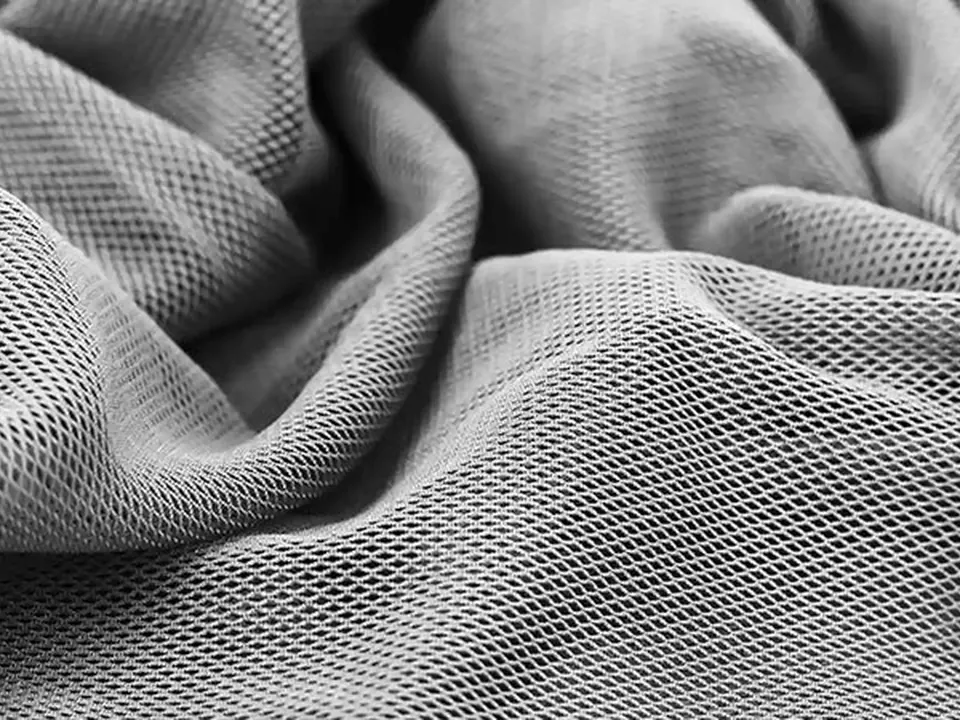
Flyknit, Primeknit, Roshe-style mesh — engineered for breathability, which means they soak up cleaning solutions and trap stains deep in the weave. Brush dry first, work the cleaner in lightly, and don't let water sit. Patience pays off here.
-
Caring for Denim
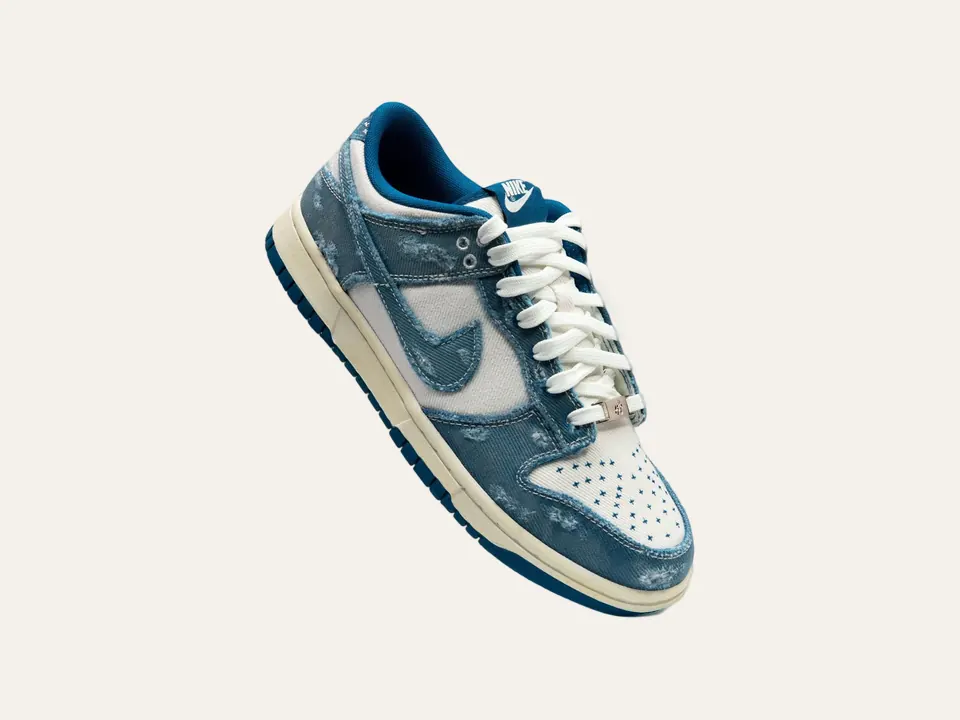
Denim is meant to age — fade, crease, whisker. Care here is minimal cleaning, maximum protection. Hit them with a water repellent before you wear them, brush off surface dirt, and let the patina build. Aggressive cleaning erases the character you actually want.